
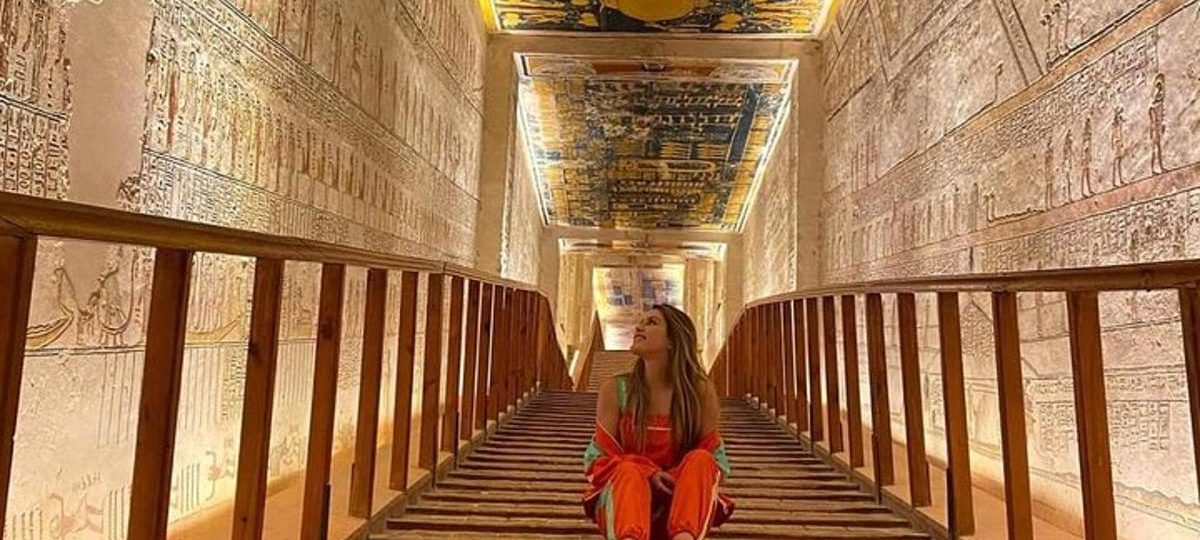
The Valley of the Kings: Secrets Behind the Royal Tombs
Overview
The Valley of the Kings is one of the most fascinating archaeological sites in Egypt and one of the most important ancient burial grounds in the world. Located on the West Bank of Luxor, the valley was chosen by New Kingdom pharaohs as a hidden resting place for their journey into the afterlife.
Unlike the monumental pyramids of earlier periods, the royal tombs here were carved deep into the limestone mountains. Their hidden entrances, decorated corridors, colorful chambers, and mysterious inscriptions continue to attract travelers, historians, and archaeology lovers from around the world.
Walking through the Valley of the Kings offers a remarkable opportunity to discover the beliefs, artistry, and burial traditions of ancient Egyptian civilization.
Why Was the Valley of the Kings Built?
During the New Kingdom, Egyptian rulers wanted to protect their royal burials from grave robbers. Instead of building enormous pyramids in open landscapes, they created underground tombs hidden among the mountains of western Thebes.
The location provided natural protection while allowing the pharaohs to build elaborate burial chambers beneath the desert.
The valley was used for royal burials for several centuries and became one of the most important necropolises of ancient Egypt.
Inside the Royal Tombs
The tombs of the Valley of the Kings are famous for their extraordinary decorations. Walls and ceilings were covered with colorful scenes, hieroglyphic texts, and religious imagery designed to guide the deceased through the afterlife.
Inside the tombs, visitors can discover:
- Elaborate hieroglyphic inscriptions
- Colorful paintings of Egyptian gods
- Scenes from ancient religious texts
- Burial chambers and sarcophagus rooms
- Symbolic representations of the afterlife
- Intricate astronomical decorations
The level of detail reveals the importance ancient Egyptians placed on preparing their kings for eternal life.
The Tomb of Tutankhamun
Perhaps the most famous discovery in the Valley of the Kings is the tomb of Tutankhamun.
Discovered in 1922 by Howard Carter, the tomb attracted worldwide attention because it contained an extraordinary collection of funerary treasures. The discovery provided historians with valuable information about royal burial traditions and ancient Egyptian craftsmanship.
Today, visiting Tutankhamun’s tomb offers travelers a direct connection to one of the most famous archaeological discoveries in history.
Famous Tombs to Explore
The valley contains numerous royal tombs, each with its own architectural design and artistic decoration.
Some of the most notable include:
- Tutankhamun’s Tomb (KV62) – famous for its remarkable discovery
- Seti I’s Tomb (KV17) – renowned for its detailed decorations
- Ramses IV’s Tomb (KV2) – known for its impressive passages and inscriptions
- Ramses VI’s Tomb (KV9) – celebrated for its beautifully decorated ceilings and walls
The available tombs can vary, so travelers should check current access arrangements when planning a visit.
The Secrets of Ancient Egyptian Beliefs
The Valley of the Kings provides an extraordinary window into ancient Egyptian beliefs about death and the afterlife.
The Egyptians believed that the deceased king needed to pass through a dangerous spiritual journey before reaching eternal life. Tomb decorations therefore served a religious purpose, depicting gods, sacred symbols, celestial bodies, and stages of the journey to the afterlife.
The inscriptions found inside the tombs are not simply decoration—they form part of a complex spiritual system designed to protect and guide the deceased.
The Valley Beyond the Famous Tombs
The Valley of the Kings is part of a much larger archaeological landscape on Luxor’s West Bank.
Nearby attractions include:
- Temple of Hatshepsut
- Colossi of Memnon
- Valley of the Queens
- Tombs of the Nobles
- Ancient temples and archaeological sites
Combining several of these attractions creates a deeper understanding of ancient Thebes and the civilization that flourished along the Nile.
Tips for Visiting the Valley of the Kings
To enjoy your visit:
- Visit early in the morning to avoid the strongest midday heat.
- Wear comfortable walking shoes.
- Bring water and sun protection.
- Consider hiring an Egyptologist guide for historical context.
- Check which tombs are open before your visit.
- Take your time inside the decorated chambers.
Photography rules can vary between tombs, so always follow the site’s current regulations.
Final Thoughts
The Valley of the Kings is much more than a collection of ancient tombs. It is a journey into the beliefs, artistry, and mysteries of ancient Egypt.
From the discovery of Tutankhamun’s tomb to the magnificent decorations of Seti I and Ramses VI, every chamber reveals another piece of the story of the pharaohs.
For history enthusiasts, archaeology lovers, and curious travelers, the Valley of the Kings is an essential stop in Luxor and one of the most unforgettable places to explore in Egypt.
Tags
#ValleyOfTheKings #Luxor #Egypt #AncientEgypt #Egyptology #Pharaohs #Tutankhamun #KingTut #RoyalTombs #AncientTombs #EgyptianHistory #Archaeology #ArchaeologicalSites #LuxorWestBank #NewKingdom #SetiI #RamsesVI #RamsesIV #AncientThebes #ExploreEgypt #TravelEgypt #VisitLuxor #EgyptTourism #DiscoverEgypt #HistoryLovers #CulturalTravel


